In a major push toward rural immersion and grassroots policy review, Gujarat Chief Minister Shri Bhupendrabhai Patel conducted an extensive visit to the Navsari district. The visit focused primarily on engaging directly with local communities in the region’s tribal areas to review ongoing development programs, experience the unique local village culture, and reinforce the state government’s commitment to people-centric governance models.
Grassroots Engagement and Public Awareness Campaigns
During his tour, the Chief Minister stepped away from traditional administrative offices to participate directly in community-level activities alongside rural residents. His schedule emphasized environmental sustainability and civic responsibility, combining practical development reviews with symbolic community actions.
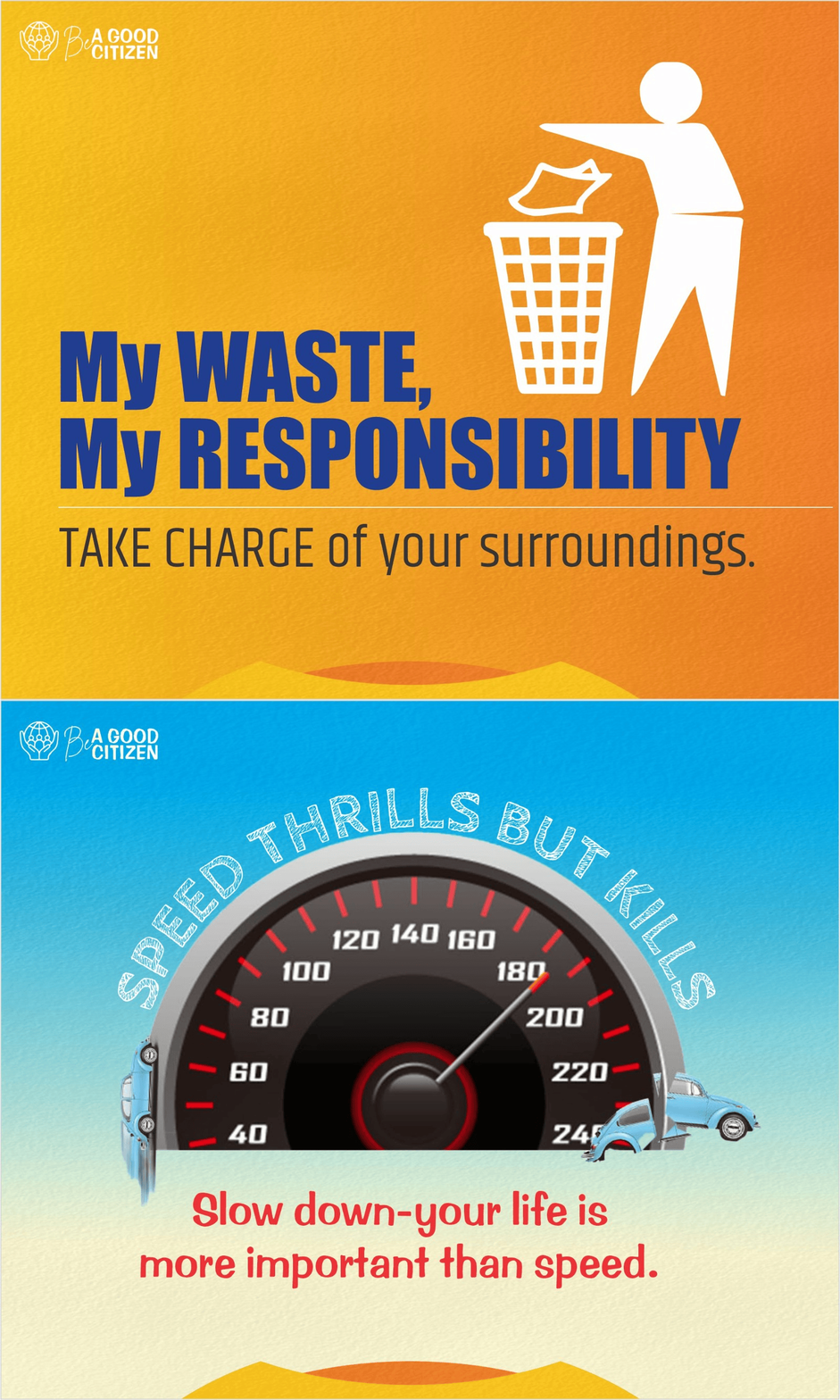
The visit provided a distinct opportunity to connect with the rural landscape. Chief Minister Patel participated in a tree plantation drive to encourage local ecological preservation and actively joined a village cleanliness campaign, promoting public awareness regarding sanitation and hygiene frameworks.
Night Assemblies: Listening to the Voice of Tribal Communities
A defining aspect of the Navsari district tour was an open-floor night meeting organized in one of the central tribal villages. By sitting down directly among the villagers in an informal, accessible setting, the Chief Minister listened to individual questions, addressed localized civic grievances, and reviewed the real-world execution of rural infrastructure works.
This approach aims to ensure that rural infrastructure budgets translate effectively into improved living conditions, reliable utilities, and accessible public services for underserved tribal demographics.
Why People-Centric Governance Matters for Rural Growth
Direct field visits by state leadership are critical for balancing administrative policy with reality:
- Bypassing Intermediaries: Open assemblies allow tribal populations to report civic bottlenecks, water shortages, or educational requirements directly to top-tier decision-makers.
- Encouraging Public Participation: When senior leadership participates in activities like tree plantations and cleanliness drives, it drives collective civic responsibility across communities.
- Authentic Policy Review: Gathering direct feedback helps the state evaluate if grassroots funding models match the actual, real-time needs of rural households.
Conclusion
Chief Minister Bhupendra Patel’s engagement in Navsari emphasizes the Gujarat government’s operational focus on inclusive, direct communication. By spending time within tribal sectors, participating in environmental initiatives, and organizing open-floor grievance assemblies, the administration aims to synchronize its macro development strategies with the authentic needs of the state’s rural populations.
Key Takeaways
- District Immersion: Chief Minister Bhupendrabhai Patel hosted specialized public feedback sessions across Navsari district.
- Tribal Outreach: The visit prioritized close cultural interaction and developmental check-ins inside regional tribal villages.
- Civic Action: The leader participated directly in community tree plantation programs and local cleanliness initiatives.
- Direct Review: Late-night public assemblies allowed citizens to ask questions and track current infrastructure developments firsthand.
Frequently Asked Questions (FAQs)
1. What was the core focus of Chief Minister Bhupendra Patel’s visit to Navsari?
The visit focused on experiencing regional tribal culture, accelerating rural public awareness campaigns, and holding open-floor listening sessions to review infrastructure developments directly with villagers.
2. What civic programs did the Chief Minister join during the tour?
He joined hands with local residents to participate in environmental tree planting drives and community sanitation campaigns to promote public health awareness.
3. How does the “night meeting” format benefit local village governance?
The informal nighttime setting gives hard-working rural and tribal laborers an accessible, post-work platform to talk directly with the Chief Minister, ensuring their concerns are recorded without losing daily wages.